The tourism industry, also known as the travel industry, is linked to people traveling to other locations, either domestically or internationally, for leisure, social, or business purposes. It is closely connected to the hotel industry, the hospitality industry, and the transport industry. Much of it is based on keeping tourists happy, occupied, and equipped with the things they need during their time away from home.
What is the Tourism Industry?
So, what is the tourism industry? First, it is important to define what the ‘tourism industry‘ means. Essentially, it refers to all activity related to the short-term movement of people to locations away from where they usually reside. It is one of the world’s largest industries, and the economies of many nations are driven, to a large extent, by their tourist trade.
It is also a wide-ranging industry, which includes the hotel industry, the transport industry, and several additional industries or sectors. According to the Travel & Tourism Worldwide research report by Statista, the Travel & Tourism Industry is projected to reach $927.30 billion by 2024. It is vital to understand that the tourist industry is linked to movement to different locations, based on leisure, business, and some additional travel motivators.
With that being said, according to the most common definitions, the tourism industry does not cover activities related to travel where the person intends to stay in their destination for longer than one year. As an example, this means that expatriates and long-term international students are not technically classed as tourists.
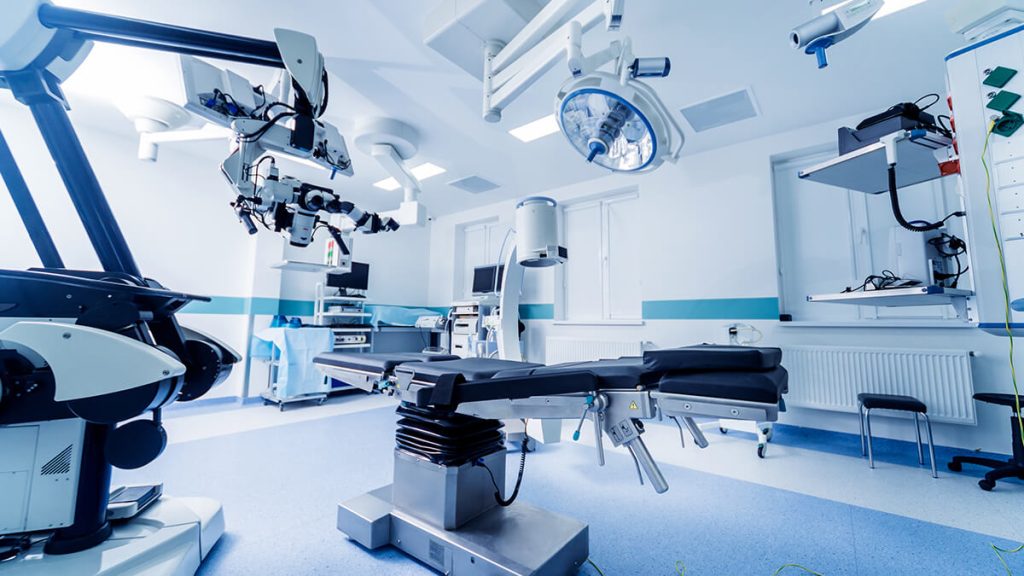
The medical technology industry—often referred to as medtech—comprises the companies that develop, manufacture, and distribute the technologies, devices, equipment, diagnostic tests, and health information systems that are transforming health care through earlier disease detection, less-invasive procedures, and more effective treatments.
Life-changing medical technologies allow millions of people to live longer, healthier, and more productive lives. The research and innovation to develop these cutting-edge technologies allows the U.S. to continue leading the world in medical advancements. From prosthetics to radiation therapies, medtech changes healthcare for the benefit of patients and health care providers. Our technologies improve quality of life, reduce time spent in hospitals and help loved ones beat life-threatening diseases. What is a Medical Device?
A medical device is an instrument, apparatus, implant, machine, tool, in vitro reagent, or similar article that is to diagnose, prevent, mitigate, treat, or cure disease or other conditions, and, unlike a pharmaceutical or biologic, achieves its purpose by physical, structural, or mechanical action but not through chemical or metabolic action within or on the body.
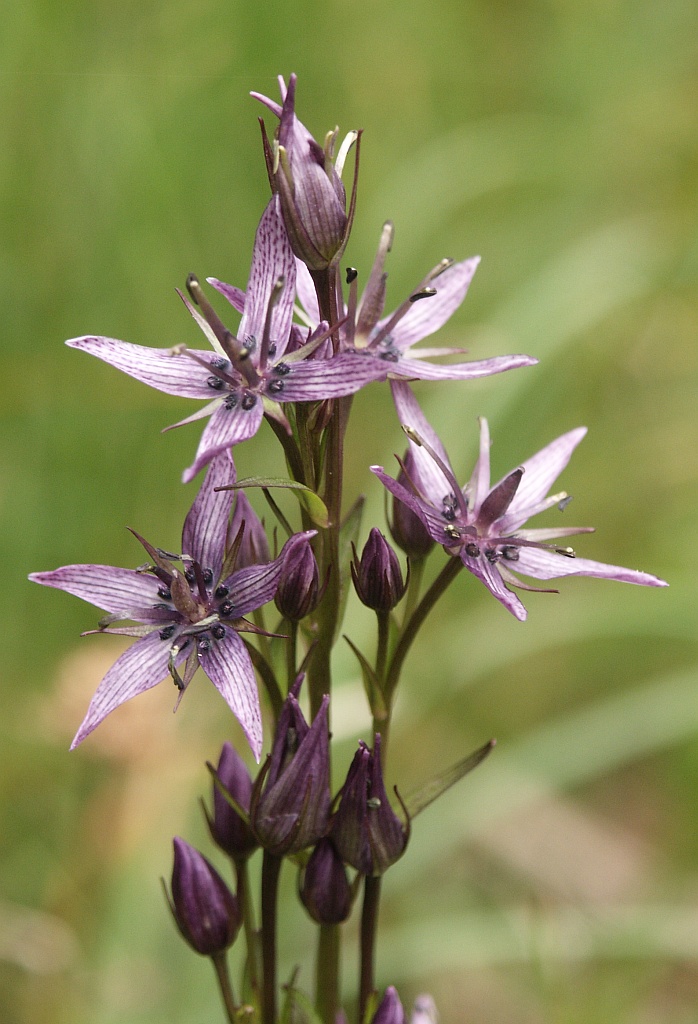
Medicinal plants, also called medicinal herbs, have been discovered and used in traditional medicine practices since prehistoric times. Plants synthesize hundreds of chemical compounds for various functions, including defense and protection against insects, fungi, diseases, against parasites[2] and herbivorous mammals.
The earliest historical records of herbs are found from the Sumerian civilization, where hundreds of medicinal plants including opium are listed on clay tablets, c. 3000 BC. The Ebers Papyrus from ancient Egypt, c. 1550 BC, describes over 850 plant medicines. The Greek physician Dioscorides, who worked in the Roman army, documented over 1000 recipes for medicines using over 600 medicinal plants in De materia medica, c. 60 AD; this formed the basis of pharmacopoeias for some 1500 years. Drug research sometimes makes use of ethnobotany to search for pharmacologically active substances, and this approach has yielded hundreds of useful compounds. These include the common drugs aspirin, digoxin, quinine, and opium. The compounds found in plants are diverse, with most in four biochemical classes: alkaloids, glycosides, polyphenols, and terpenes. Few of these are scientifically confirmed as medicines or used in conventional medicine.
Medicinal plants are widely used as folk medicine in non-industrialized societies, mainly because they are readily available and cheaper than modern medicines. The annual global export value of the thousands of types of plants with medicinal properties was estimated to be US$60 billion per year and growing at the rate of 6% per annum.[citation needed] In many countries, there is little regulation of traditional medicine, but the World Health Organization coordinates a network to encourage safe and rational use. The botanical herbal market has been criticized for being poorly regulated and containing placebo and pseudoscience products with no scientific research to support their medical claims.[4] Medicinal plants face both general threats, such as climate change and habitat destruction, and the specific threat of over-collection to meet market demand.
The food industry is a complex, global network of diverse businesses that supplies most of the food consumed by the world’s population. The food industry today has become highly diversified, with manufacturing ranging from small, traditional, family-run activities that are highly labour-intensive, to large, capital-intensive and highly mechanized industrial processes. Many food industries depend almost entirely on local agriculture, animal farms, produce, and/or fishing.
The food industry includes:
Agriculture: raising crops, livestock, and seafood. Agricultural economics.
Manufacturing: agrichemicals, agricultural construction, farm machinery and supplies, seed, etc.
Food processing: preparation of fresh products for market, and manufacture of prepared food products
Marketing: promotion of generic products (e.g., milk board), new products, advertising, marketing campaigns, packaging, public relations, etc.
Wholesale and food distribution: logistics, transportation, warehousing
Foodservice (which includes catering)
Grocery, farmers' markets, public markets and other retailing
Regulation: local, regional, national, and international rules and regulations for food production and sale, including food quality, food security, food safety, marketing/advertising, and industry lobbying activities
Education: academic, consultancy, vocational
Research and development: food science, food microbiology, food technology, food chemistry, and food engineering
Financial services: credit, insurance
Areas of research such as food grading, food preservation, food rheology, food storage directly deal with the quality and maintenance of quality overlapping many of the above processes.
Only subsistence farmers, those who survive on what they grow, and hunter-gatherers can be considered outside the scope of the modern food industry.
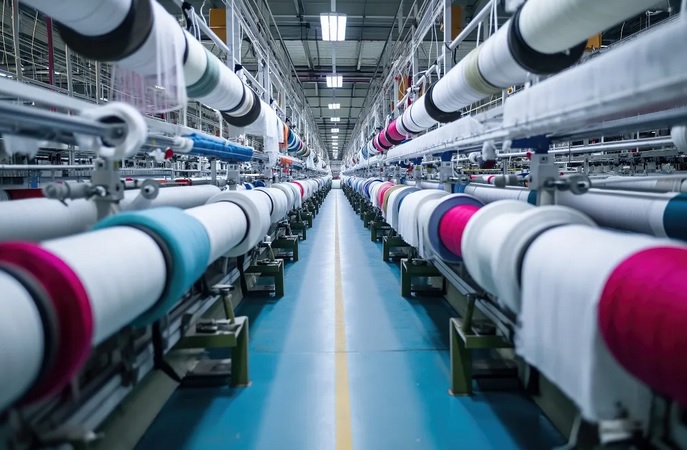
The term textile industry describes the industry in which the production, processing, manufacture, and distribution of fabrics occurs. Fabrics are made using raw materials that are transformed into yarns and then knit or woven together. What is the textile industry today?
The textile industry has evolved significantly over time into the modern textile industry as a result of many inventions. The textile industry today entails knitting and weaving as the most common manufacturing techniques. These techniques are used to make fabric products like clothes, curtains, mats, carpets, and blankets. What does textile industry consist of?
The textile industry consists of manufacturers of fabric and yarn, suppliers of raw materials from plants and animals, and the chemical industry that produces artificial synthetic fabrics. The final component of the textile industry is the customer that consumes the final product from the processes that take place in the industry.
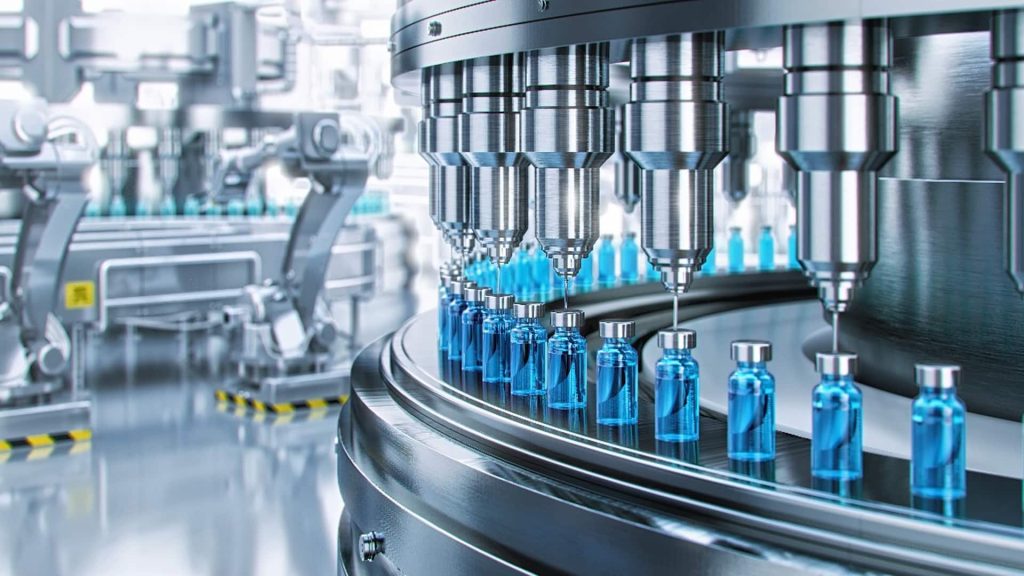
The modern era of the pharmaceutical industry—of isolation and purification of compounds, chemical synthesis, and computer-aided drug design—is considered to have begun in the 19th century, thousands of years after intuition and trial and error led humans to believe that plants, animals, and minerals contained medicinal properties. The unification of research in the 20th century in fields such as chemistry and physiology increased the understanding of basic drug-discovery processes. Identifying new drug targets, attaining regulatory approval from government agencies, and refining techniques in drug discovery and development are among the challenges that face the pharmaceutical industry today. The continual evolution and advancement of the pharmaceutical industry is fundamental in the control and elimination of disease around the world.
The following sections provide a detailed explanation of the progression of drug discovery and development throughout history, the process of drug development in the modern pharmaceutical industry, and the procedures that are followed to ensure the production of safe drugs. For further information about drugs, see drug. For a comprehensive description about the practice of medicine and the role of drug research in the health care industry, see medicine.
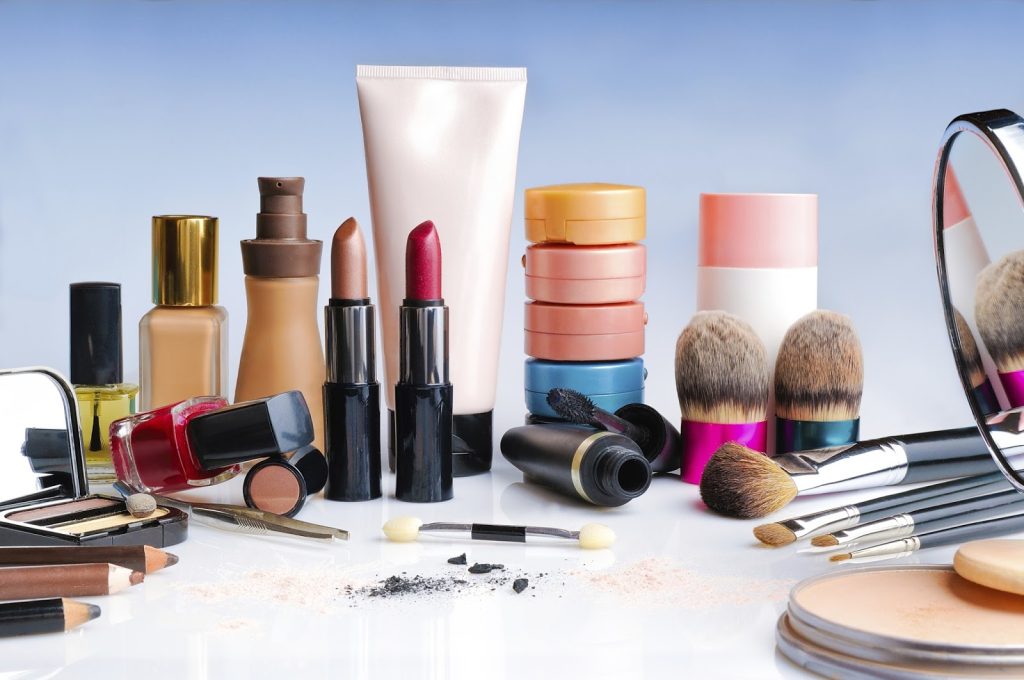
The cosmetic industry describes the industry that manufactures and distributes cosmetic products. These include colour cosmetics, like foundation and mascara, skincare such as moisturisers and cleansers, haircare such as shampoos, conditioners and hair colours, and toiletries such as bubble bath and soap. The manufacturing industry is dominated by a small number of multinational corporations that originated in the early 20th century, but the distribution and sale of cosmetics is spread among a wide range of different businesses. Cosmetics must be safe when customers use them in accordance with the label’s instructions or in the conventional or expected manner. One measure a producer may take to guarantee the safety of a cosmetic product is product testing. FDA occasionally does testing as part of its research program or when looking into potential safety issues with a product. Both the cosmetics business and consumers can benefit from the FDA’s resources on product testing.
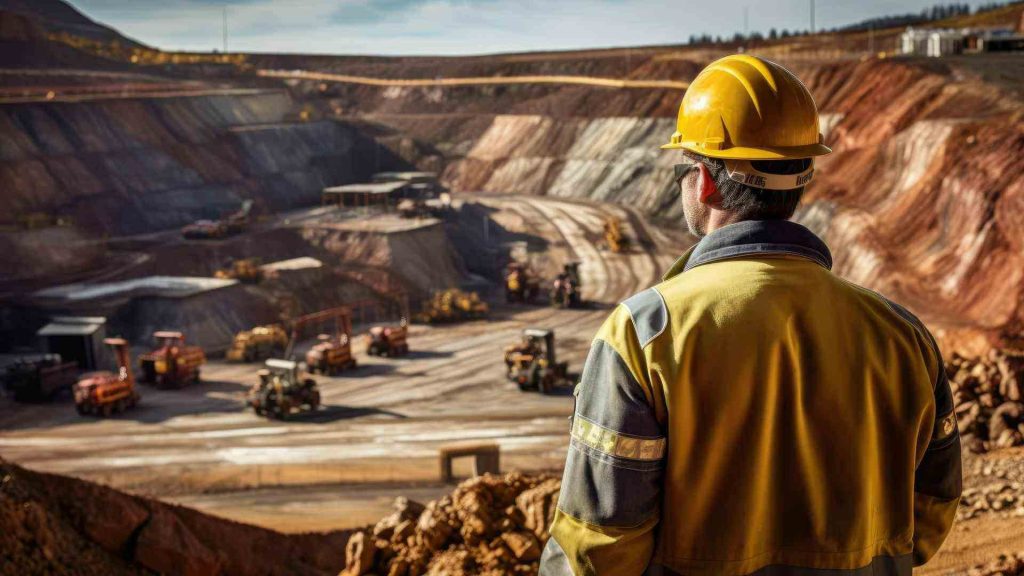
The mining industry operates through a sequence of stages: exploration, discovery, development, production and reclamation. All stages of this Mining Cycle provide direct economic stimulus.
Exploration can take place in many forms, by both prospectors and exploration companies, and usually begins with research to select target areas. Once the targets are selected, geological mapping as well as many types of geochemical and geophysical surveys can take place. This type of activity, even in its simplest form, can lead to discoveries of the economic mineral deposits that society requires for much of the raw materials and manufactured products that we use every day. Exploration activity on a property rarely leads to a new mineral discovery.
Discovery happens when something of value is found. Discoveries rely on good field work, quality geoscience, investment and planning to bring them to the development stage. New discoveries are crucial because our growing society increasingly consumes more manufactured products, and our known mineral deposits become depleted. Very few discovered mineral deposits become producing mines. At this stage permits, leases, and licenses are required and the project may be referred for environmental assessment. To learn more about permitting and licensing click here
The mine development stage includes feasibility, geoscience and engineering studies. If all of these outcomes are favourable and all approvals are in place, the company then decides if they will go ahead with the project. At this stage the company raises money in order to begin construction and develop a mine. This is the most expensive phase of the mining cycle.
The production phase includes extraction, milling and processing of raw materials, such as coal, metals, industrial minerals and aggregate. The length of time a mine is in production depends on the amount and quality of the mineral or metal in the deposit and profitability of the operation.
Mine site reclamation and protection of the environment starts at the beginning of a project and continues after closure. Mines must have closure and reclamation plans and are required to post a bond for the estimated cost of reclamation. The reclamation plan and bond amount must be approved by the Department of Natural Resources and Department of Environment. In many cases mine site reclamation can add significant value to land in communities for recreational purposes and future development. Progressive reclamation is recommended during the entire life of the mine.
Mineral exploration is the process of seeking concentrated deposits of minerals for the purpose of mining these minerals for economic benefit.
HOW IS MINERAL EXPLORATION DONE?
While the exact process of mineral exploration depends on the area, team, and resources, mineral exploration typically follows a sequence of about 8 general phases from discovery to production.
1. LOCATE POTENTIAL DEPOSITS
One of the first steps of mineral exploration is to locate areas that are likely to yield mineral deposits. Since mineral deposits tend to form in clusters, prospective areas may be near other areas of known mineralization or near existing mine sites. They may also be identified with aeromagnetic surveys, satellite photos, or detailed maps.
2. CLAIM STAKING AND PERMITTING
Prospectors must ensure the prospective area is open to mining and that no existing claims are placed on the land. After this research is conducted, the prospector will likely stake a claim on a potential mineral site. Learn more about claim staking here.
3. SURFACE EXPLORATION
Next, prospectors will map outcrops and showings and search for indicator minerals. This provides early geological sampling and analysis. The goal of this stage of mineral exploration is to identify areas with “clues” that mineral deposits may be present in the area.
4. EARLY-STAGE EXPLORATION
After a claim has been filed, prospectors will begin early stages of mineral exploration. This typically includes geophysical studies such as gravitational, magnetic, and electromagnetic surveys. The purpose of these surveys is to find anomalies or indicators that mineral deposits may be present.
Early-stage mineral exploration may also include rock and soil sampling, analyzing data from previous exploration, and conducting surface mapping. The purpose of this stage of mineral exploration is to increase confidence about the potential project’s viability. It will also identify drill targets if mineral exploration continues past this stage.
5. CORE DRILLING
After a certain level of confidence is attained, core drilling will take place to prove and analyze mineral deposits. Core drilling refers to drilling a small diameter of rock (called core) from the earth. These holes may be drilled up to tens, hundreds, or even thousands of meters. This core is logged, then analyzed for prospective minerals. Core samples are submitted to an assay lab to measure how much metal is in the rock.
6. RESOURCE MODELING
If initial core drilling results are positive, additional drilling often takes place to create more definitive resource modeling and resource estimates. Often, this follow-up drilling is used to develop a 3D resource model of where deposits may be located underground.
7. DE-RISKING
Mining requires a significant amount of investment and resources, which is why further tests and assessments are typically completed at this stage of mineral exploration. These tests and assessments may include:
Additional follow-up drilling
Metallurgical tests
Environmental assessments
Risk assessment
Resource modeling
Mine design and strategy
Preliminary Economic Assessment (PEA)
Feasibility Study
The purpose of this stage of mineral exploration is to collect and analyze granular data, accurately mapping the deposit(s) for economical and viability estimates, and ultimately informing a final production decision.
8. PRODUCTION DECISION
After enough data is collected, a production decision will be made. If the project moves forward, this is the stage where the mine will be designed, constructed, and mining will begin!